The workplace is undergoing a seismic transformation. Remote work, hybrid teams, and distributed workforces have fundamentally changed how organizations operate. Within this evolving landscape, employee monitoring has emerged not as a surveillance tool, but as a strategic necessity for maintaining productivity, ensuring accountability, and driving business success.
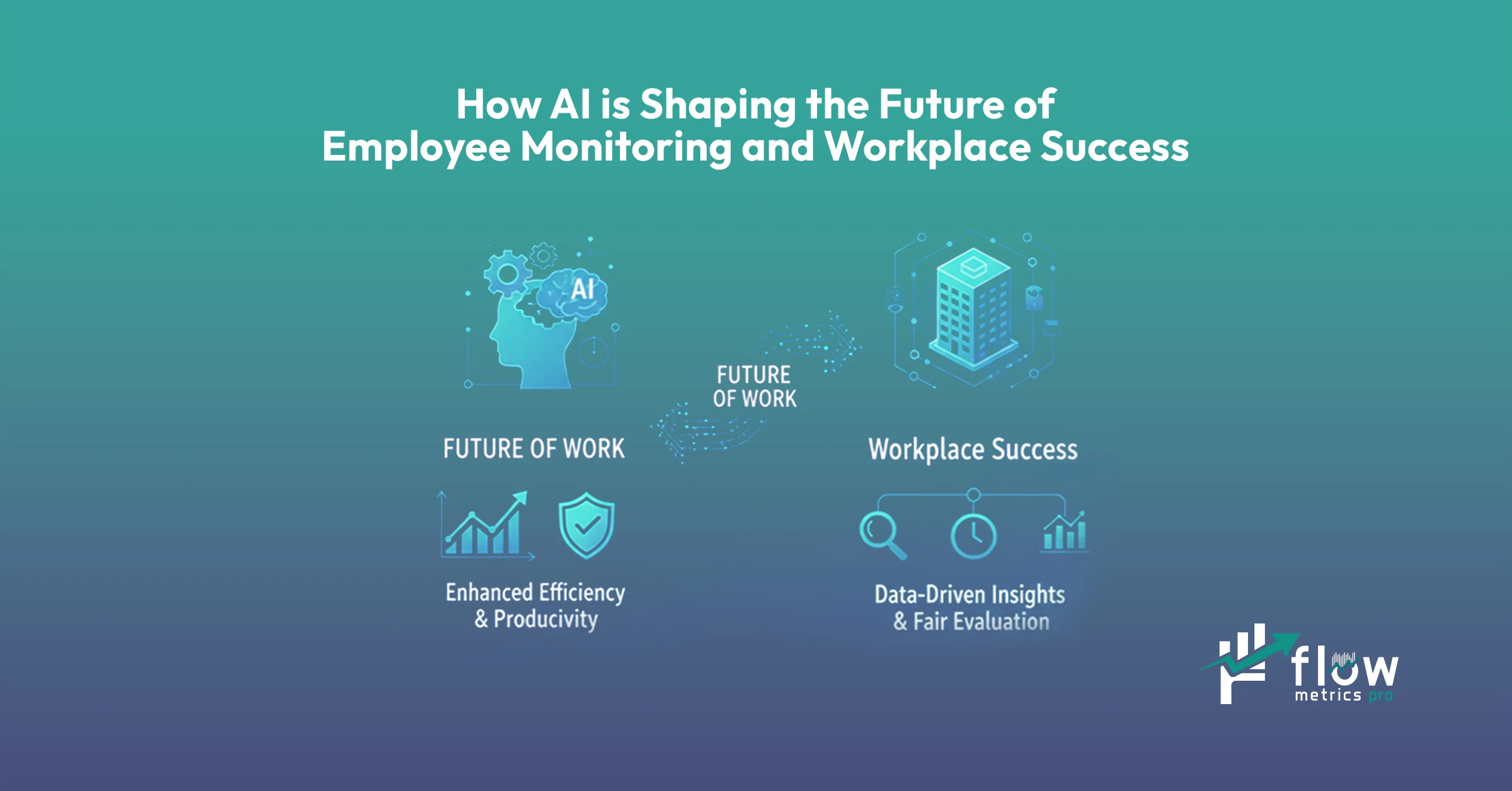
The future of employee monitoring transcends traditional time-tracking methods. Today’s intelligent systems leverage artificial intelligence, machine learning, and behavioral analytics to provide unprecedented insights into workforce performance. Organizations that embrace these advanced monitoring solutions gain competitive advantages through improved efficiency, reduced operational costs, and enhanced employee engagement.
Understanding Modern Employee Monitoring
Traditional employee monitoring focused primarily on basic metrics—clock-in times, hours worked, and task completion rates. These rudimentary approaches provided limited value and often created adversarial relationships between management and staff.
The future of employee monitoring represents a paradigm shift. Contemporary platforms analyze multidimensional data points including application usage patterns, communication frequency, collaborative behaviors, and productivity rhythms. This comprehensive approach reveals actionable insights that benefit both organizations and their workforce.
According to Gartner research, over 80% of enterprises will have implemented AI-powered workforce analytics by 2026. This widespread adoption reflects growing recognition that intelligent monitoring drives measurable business outcomes.
The Technology Powering Tomorrow’s Workplace
Several technological innovations are shaping the future of employee monitoring and redefining how organizations understand workforce performance.
Artificial Intelligence and Machine Learning
AI algorithms process massive datasets to identify productivity patterns that human analysts would never detect. Machine learning models continuously improve their predictions, learning from historical data to forecast future performance trends.
These intelligent systems can predict potential burnout before it occurs, identify employees who might benefit from additional training, and recommend optimal team compositions based on complementary work styles. The predictive capabilities transform monitoring from reactive observation to proactive workforce optimization.
Real-Time Analytics Dashboards
Modern monitoring platforms present complex data through intuitive dashboards that deliver instant insights. Managers can view team productivity in real-time, identify bottlenecks as they develop, and make informed decisions without waiting for weekly or monthly reports.
These dashboards aggregate information from multiple sources—time tracking, application usage, project management tools, and communication platforms—creating unified views of organizational performance. The immediacy of this information enables rapid response to emerging challenges.
Behavioral Pattern Recognition
Advanced monitoring systems analyze behavioral patterns to understand what drives productivity for individual employees. Some team members achieve peak performance during morning hours, while others excel in evening work sessions. Recognizing these patterns allows organizations to optimize schedules and assignments.
MIT research demonstrates that companies implementing behavioral analytics improve operational efficiency by 20-30% within the first year. These improvements stem from aligning work assignments with individual productivity rhythms and preferences.
Privacy-Preserving Technologies
The future of employee monitoring prioritizes privacy protection through advanced encryption, anonymization techniques, and granular permission controls. Organizations can gather necessary performance insights while respecting employee privacy and maintaining trust.
Technologies like differential privacy add mathematical noise to datasets, preventing identification of individual behaviors while preserving aggregate statistical accuracy. This balance between monitoring and privacy represents a crucial evolution in workplace analytics.
Key Benefits Driving Adoption
Organizations implementing advanced monitoring solutions realize multiple strategic benefits that justify investment and drive continued adoption.
Enhanced Productivity and Efficiency
Comprehensive monitoring reveals exactly where time and resources are invested. Organizations identify inefficient processes, eliminate redundant tasks, and reallocate resources to high-impact activities. This optimization typically generates 15-25% productivity improvements within the first six months of implementation.
Flow Metrics Pro provides detailed productivity analytics that transform how organizations understand and improve workforce performance. The platform’s intelligent insights help teams work smarter rather than simply working longer hours.
Accurate Performance Measurement
Objective data eliminates subjective bias from performance evaluations. Rather than relying on manager impressions or anecdotal evidence, organizations base assessments on verifiable metrics—deliverable completion rates, quality indicators, and collaborative contributions.
This objectivity creates fairer evaluation processes while providing employees with clear expectations and transparent feedback mechanisms. Performance discussions shift from subjective opinions to data-driven conversations about improvement opportunities.
Remote Work Enablement
The future of employee monitoring makes remote work viable at scale. Organizations can maintain visibility into distributed team performance without sacrificing operational control or accountability.
Remote monitoring provides reassurance that work is progressing regardless of physical location. This confidence enables flexible work arrangements that attract top talent, reduce overhead costs, and improve employee satisfaction. Research from Stanford University indicates that remote workers who feel appropriately monitored demonstrate 13% higher productivity than office-based counterparts.
Data-Driven Decision Making
Monitoring platforms generate vast amounts of operational data that inform strategic decisions. Organizations identify high-performing teams and replicate their practices across the organization. They recognize underutilized talent and create development opportunities that maximize human resource management investment.
These insights extend beyond individual performance to reveal organizational patterns—communication bottlenecks, collaborative friction points, and resource allocation inefficiencies. Addressing these systemic issues delivers compounding benefits across the entire workforce.
Security and Compliance
Advanced monitoring systems protect sensitive information by tracking data access patterns, identifying unauthorized usage, and flagging potential security threats. They also maintain detailed audit trails that demonstrate compliance with regulatory requirements.
For organizations in regulated industries, comprehensive monitoring isn’t optional—it’s a compliance necessity. Healthcare providers, financial institutions, and government contractors must document how employees handle sensitive information. Modern monitoring platforms automate these compliance requirements while reducing administrative burden.
Navigating Privacy and Ethical Considerations
The future of employee monitoring must address legitimate privacy concerns and ethical considerations. Organizations that ignore these issues risk eroding trust, facing legal challenges, and damaging their reputation.
Transparency and Consent
Successful monitoring programs operate transparently. Employees understand exactly what data is collected, how it’s analyzed, and who has access to information. This transparency transforms monitoring from secretive surveillance into a mutually beneficial performance tool.
Obtaining informed consent before implementing monitoring establishes trust and demonstrates respect for employee privacy. While employers have legal rights to monitor company resources, ethical implementation requires explaining monitoring purposes and allowing employees to ask questions.
Appropriate Monitoring Boundaries
The future of employee monitoring requires setting clear boundaries between professional and personal activities. Systems should track work-related behaviors without encroaching on personal communications, private browsing, or off-hours activities.
Modern platforms include privacy controls that exclude personal accounts, blur sensitive information, and disable monitoring during breaks or non-work hours. These technical safeguards demonstrate organizational commitment to reasonable monitoring practices.
Data Security and Protection
Organizations implementing monitoring systems assume responsibility for protecting the sensitive data they collect. This requires enterprise-grade security measures including encryption, access controls, regular security audits, and incident response procedures.
Data breaches involving employee monitoring information can devastate organizational trust and expose companies to significant legal liability. Investing in robust security infrastructure isn’t optional—it’s fundamental to ethical monitoring programs.
Regulatory Compliance
The legal landscape surrounding employee monitoring varies significantly across jurisdictions. European GDPR regulations impose strict requirements on data collection and processing. California’s CCPA grants employees rights regarding their personal information. Organizations must navigate this complex regulatory environment carefully.
Working with legal counsel to ensure monitoring programs comply with applicable laws protects organizations from costly penalties while demonstrating commitment to ethical practices.
Implementation Best Practices
Successfully deploying monitoring systems requires thoughtful planning, clear communication, and ongoing refinement.
Start with Clear Objectives
Define specific goals before selecting monitoring tools. Are you primarily concerned with time theft? Seeking to optimize project workflows? Trying to identify training needs? Clear objectives guide tool selection and implementation strategies.
Organizations often benefit from beginning with limited monitoring focused on specific pain points rather than immediately implementing comprehensive surveillance. This measured approach builds confidence and allows refinement based on real-world results.
Involve Employees in the Process
Including employees in monitoring program design builds buy-in and identifies potential issues before implementation. Conduct surveys, hold focus groups, and solicit feedback on proposed monitoring approaches.
Employees who participate in program design become advocates rather than opponents. Their input often improves monitoring systems by highlighting blind spots and suggesting more effective measurement approaches.
Provide Training and Support
Both managers and employees need training on new monitoring systems. Managers must understand how to interpret data, provide constructive feedback, and avoid micromanagement based on real-time metrics.
Employees need instruction on how monitoring works, what behaviors are tracked, and how data influences evaluations. Comprehensive employee lifecycle management training prevents misunderstandings and ensures everyone uses systems effectively.
Focus on Improvement, Not Punishment
The future of employee monitoring emphasizes development over discipline. Use monitoring data to identify training opportunities, optimize workflows, and remove obstacles—not to punish employees for minor productivity fluctuations.
When employees view monitoring as a tool for their success rather than a weapon for their termination, they embrace systems and engage constructively with the insights generated.
Regularly Review and Refine
Monitoring programs should evolve based on results and feedback. Conduct quarterly reviews assessing whether systems deliver promised benefits, identifying unexpected consequences, and soliciting stakeholder input.
This continuous improvement approach ensures monitoring remains aligned with organizational needs while adapting to changing work environments and workforce expectations.
Industry-Specific Applications
Different industries leverage monitoring technology in unique ways that address sector-specific challenges.
Software Development
Development teams use monitoring to track code commits, review cycles, and collaborative patterns. These insights identify bottlenecks in development pipelines, optimize sprint planning, and improve code quality through peer review analytics.
Customer Service
Call centers and support organizations monitor response times, customer satisfaction scores, and issue resolution rates. Real-time dashboards allow supervisors to redistribute workload dynamically, provide just-in-time coaching, and recognize top performers.
Healthcare
Medical facilities track staff schedules, patient interaction time, and documentation completion to ensure adequate coverage while maintaining care quality. Monitoring helps prevent burnout by identifying overworked staff members before exhaustion impacts patient outcomes.
Financial Services
Financial institutions use monitoring to demonstrate regulatory compliance, track client interactions, and protect sensitive information. Detailed audit trails prove due diligence while identifying potential compliance violations before they escalate.
Emerging Trends Shaping the Future
Several trends will define the next generation of employee monitoring systems and influence how organizations approach workforce analytics.
Predictive Workforce Analytics
Future systems won’t just report what happened—they’ll predict what will happen. Advanced algorithms will forecast employee turnover, identify flight risks, and recommend retention interventions. They’ll predict project delays before deadlines pass and suggest resource reallocation to keep initiatives on track.
This shift from descriptive to predictive analytics represents the most significant evolution in workforce management since the industrial revolution.
Integration with Wellness Programs
The future of employee monitoring increasingly connects performance data with employee wellness initiatives. Organizations recognize that burned-out employees can’t maintain peak performance. Monitoring systems that identify stress indicators, workload imbalances, and unhealthy work patterns enable proactive interventions.
Smart platforms might recommend breaks, suggest vacation time, or flag individuals who could benefit from wellness resources. This integration transforms monitoring from purely performance-focused to holistically employee-centered.
Augmented Reality Monitoring
As AR technologies mature, monitoring may extend into physical workspace analysis for on-site employees. AR systems could track ergonomics, identify safety hazards, and optimize facility layouts based on how employees actually use spaces.
For distributed teams, AR meeting analytics might assess engagement during video conferences, identify participants who aren’t fully participating, and suggest strategies for more inclusive virtual collaboration.
Blockchain-Based Verification
Blockchain technology may provide tamper-proof verification of work completion and time tracking. This immutable record-keeping could eliminate time theft disputes, provide indisputable evidence for billing purposes, and create transparent performance histories that employees carry between employers.
Emotional Intelligence Monitoring
Future systems may incorporate sentiment analysis of written communications and voice analysis of spoken interactions to assess team morale, identify conflict before it escalates, and measure emotional engagement.
These advanced capabilities raise significant ethical questions that organizations must address thoughtfully, but the potential benefits for maintaining positive workplace culture are substantial.
Choosing the Right Monitoring Platform
Selecting appropriate monitoring technology requires careful evaluation of multiple factors.
Feature Set Alignment
Ensure platforms provide specific capabilities that match organizational needs. Don’t pay for advanced features you won’t use, but verify that core requirements are robustly supported.
Scalability and Growth
Choose systems that can grow with your organization. Platforms that work well for 20 employees often struggle when supporting 200 or 2,000. Verify that vendors can accommodate anticipated growth without requiring complete system replacement.
Integration Capabilities
The best monitoring platforms connect seamlessly with existing tools—project management software, communication platforms, HR systems, and payroll management providers. These integrations eliminate duplicate data entry and provide more comprehensive insights.
User Experience
Complex, difficult-to-use systems won’t be adopted effectively. Evaluate interfaces from both manager and employee perspectives. Intuitive design increases adoption rates and reduces training requirements.
Vendor Support and Reliability
Assess vendor reputation, support availability, and system uptime guarantees. Monitoring is only valuable when systems operate reliably. Verify that vendors provide responsive support when issues arise.
Pricing Transparency
Understand total cost of ownership including licensing fees, implementation costs, training expenses, and ongoing support charges. Hidden costs can make apparently affordable solutions expensive over time. Compare pricing options carefully to ensure transparency.
Preparing Your Organization for Success
Successfully implementing monitoring requires organizational preparation beyond simply deploying technology.
Executive Sponsorship
Leadership must visibly support monitoring initiatives and articulate how they advance organizational goals. Executive sponsorship signals importance and facilitates resource allocation.
Change Management
Treat monitoring implementation as a significant change initiative requiring formal change management processes. Address resistance proactively, communicate benefits clearly, and provide adjustment time.
Policy Development
Create formal policies governing monitoring practices, data usage, and privacy protections. These written policies protect both organization and employees by establishing clear expectations and boundaries.
Communication Strategy
Develop comprehensive communication plans that explain monitoring rationale, address concerns, and celebrate successes. Ongoing communication prevents misunderstandings and maintains transparency.
Measuring Monitoring Success
Organizations must assess whether monitoring investments deliver promised returns.
Productivity Metrics
Track key performance indicators before and after implementation. Calculate productivity improvements, efficiency gains, and output increases attributable to monitoring insights.
Cost Savings
Quantify cost reductions from eliminated time theft, optimized resource allocation, and improved project completion rates. Compare savings against monitoring system costs to calculate return on investment. Consider both expense management and financial reporting impacts.
Employee Satisfaction
Monitor employee sentiment through surveys and retention metrics. Effective monitoring should improve satisfaction by providing clear expectations, fair evaluations, and professional development support.
Business Outcomes
Ultimately, monitoring should contribute to core business objectives—revenue growth, customer satisfaction, market expansion, or operational efficiency. Connect monitoring insights to tangible business results.
Conclusion: Embracing an Intelligent Future
The future of employee monitoring represents opportunity rather than threat. Organizations that implement monitoring thoughtfully, ethically, and transparently unlock unprecedented insights into workforce performance while building trust and engagement.
This future isn’t about surveillance or micromanagement. It’s about understanding how work actually gets done, removing obstacles that prevent employees from succeeding, and creating environments where both individuals and organizations thrive.
As artificial intelligence, machine learning, and behavioral analytics continue advancing, monitoring capabilities will only become more powerful and insightful. Organizations that embrace these technologies today position themselves for success in an increasingly competitive, distributed, and data-driven business environment.
The workplace of tomorrow demands intelligent monitoring that respects privacy, drives improvement, and delivers measurable results. Organizations ready to embrace this future will lead their industries, attract top talent, and build sustainable competitive advantages through optimized human capital management.
The question isn’t whether to monitor—it’s how to monitor effectively, ethically, and strategically. Organizations that answer this question thoughtfully will define the future of work itself. Explore system integrations and discover how modern platforms enable this transformation.